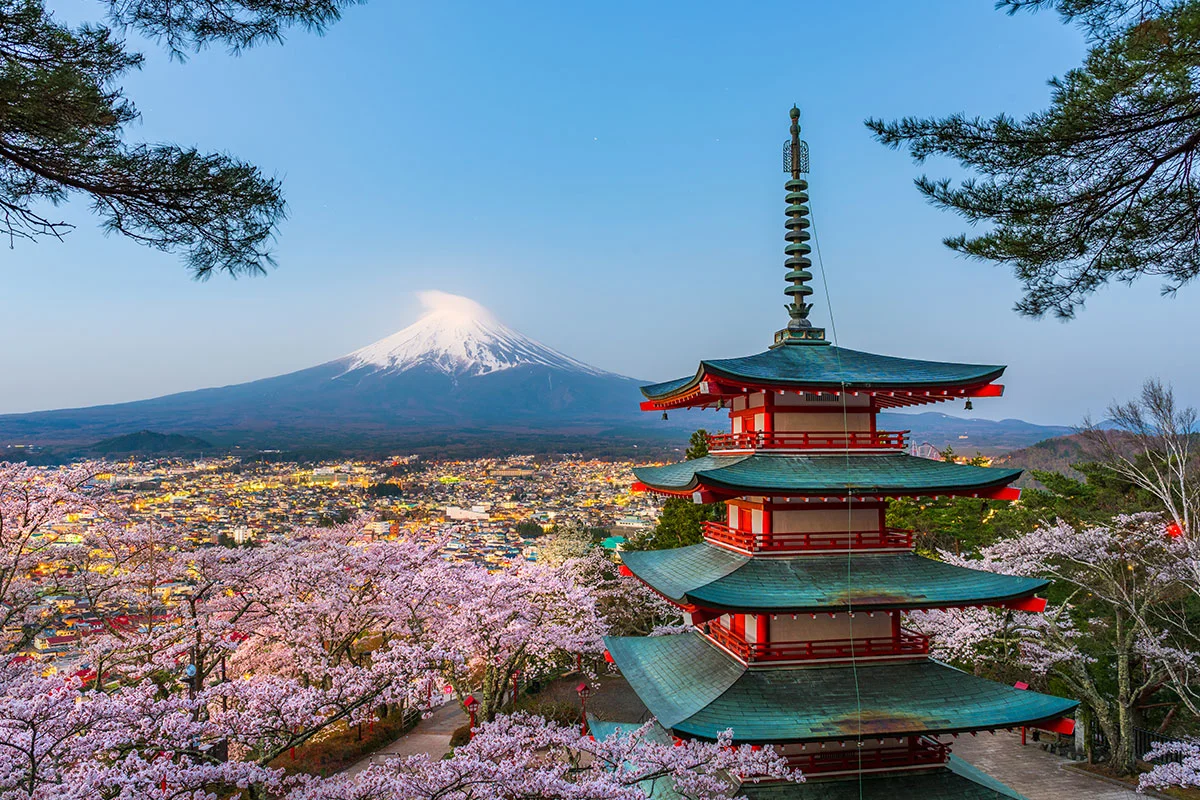


Large gray mushroom clouds form the backdrop of the Tokyo skyline as the capital becomes engulfed in smog. Pedestrians walk through the familiar streets of the capital’s Shibuya Ward — except it is blanketed in ash.
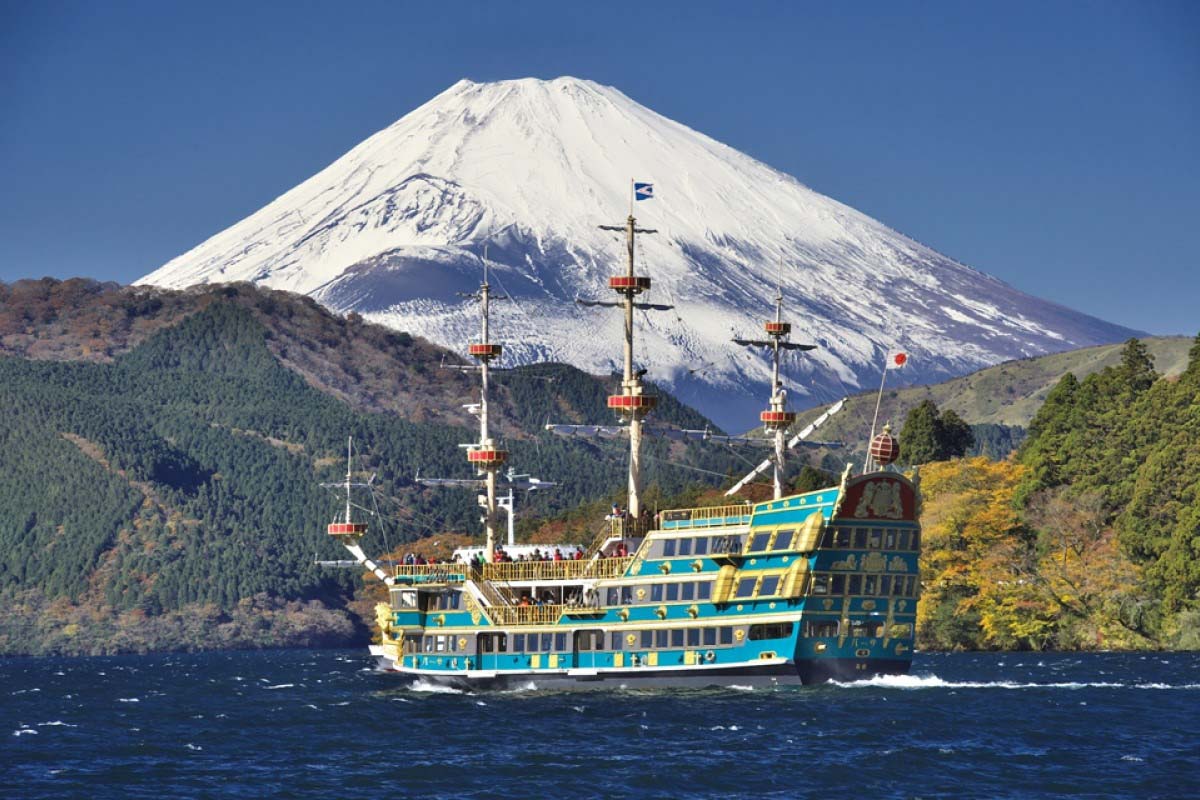
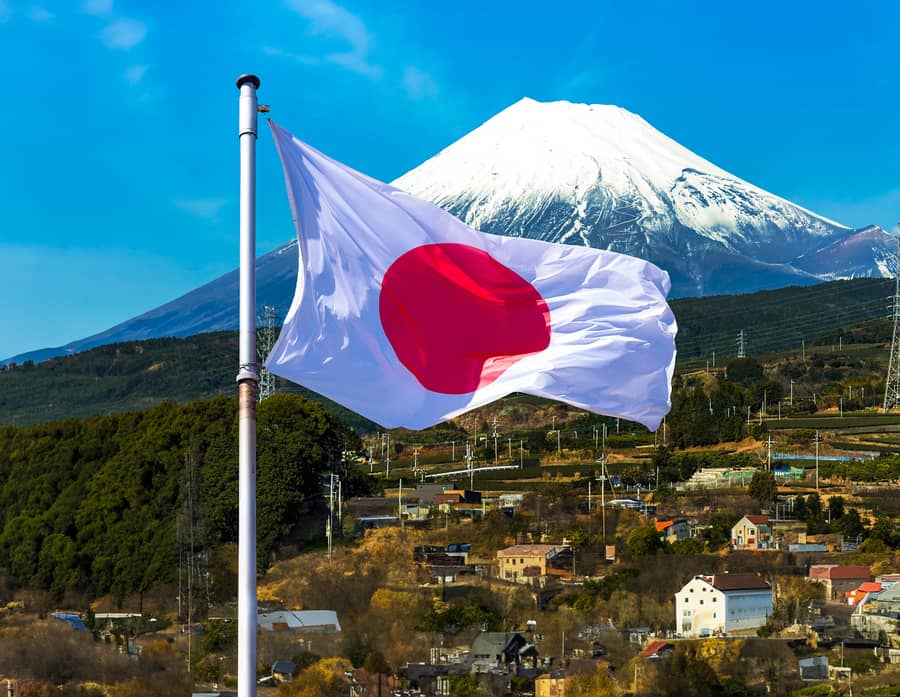
It is all part of an artificial intelligence-generated video the Tokyo Metropolitan Government released last week to raise awareness of what could happen to the capital if Mount Fuji erupted.
This was the first time for AI to be used to encourage further understanding of a potential Mount Fuji eruption and to call for better preparation among Tokyoites.
If the volcano erupts, it is projected that ash will begin falling in Tokyo around one to two hours after the initial eruption, with between 2 and 10 centimeters projected to accumulate. When the volcano last erupted in 1707, the explosion and subsequent ashfall lasted for two weeks.
“Volcanic ash is made up of fine, jagged particles,” the video states. “Its unique qualities pose many hazards to health and society.”
Ash from any eruption is expected to cause extensive damage in the capital, even though Mount Fuji lies about 100 kilometers from Tokyo, since the wind can easily transport it. Ash also does not disappear like snow and so would have to be removed, and it solidifies and conducts electricity when it becomes wet.
According to the 3-minute simulation video, major effects will also be felt in Tokyo’s transportation systems, as ash on train tracks and runways will grind public transportation such as trains and airplanes to a halt.
The ashfall will also make it dangerous for drivers due to diminished visibility and the high risk of tires slipping if roads are covered. It is believed two-wheel vehicles would be inoperable if ashfall exceeds 10 cm in dry conditions or 3 cm when it’s raining.
An eruption would also result in many becoming stranded due to public transportation being suspended, as was the case after the March 2011 Great East Japan Earthquake. People are advised to stock up on food that will last for three days or more since the fallout would cause public transportation to be suspended, causing stores to run out of food and supplies.
If it rains, wet ashfall that has accumulated on antennas and powerlines around the city could also cause widespread power outages and interference in telecommunications.
To prevent adverse health effects from the ash, people should wear masks and goggles when they go outside. Ash can cause irritation to the eyes and may cause issues with people’s respiratory systems, especially if they have preexisting conditions such as asthma.
“Since we do not know when Mount Fuji will erupt and blanket us with volcanic ash, we need to arm ourselves with facts and prepare for disaster in our daily lives to protect ourselves and our loved ones,” a narrator in the video said.